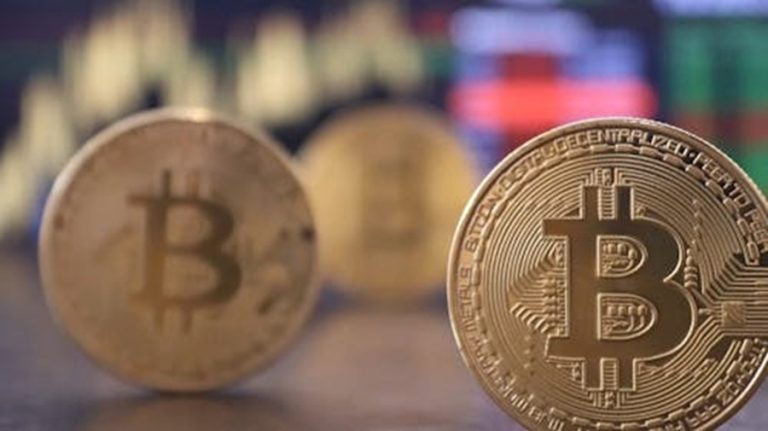
A market analyst says the next major Bitcoin catalyst might not be easier monetary policy, challenging the common view that falling rates automatically benefit crypto.
“I think we should expect that having more accommodative policies may in fact actually not be the catalyst to help us go into a bull market,” ProCap Financial chief investment officer Jeff Park told Anthony Pompliano on The Pomp Podcast. The comment pushes back on the widely held belief that lower interest rates and looser monetary conditions are naturally bullish for risk assets such as Bitcoin.
Accommodative measures — including rate cuts from the Federal Reserve — are normally intended to spur growth, raise liquidity and reduce unemployment. Many crypto investors consider that environment favorable because traditional yields on bonds and deposits shrink, making higher-risk assets relatively more attractive.
Park argued, however, that Bitcoin’s true upside spark could arrive under a very different regime: one in which the cryptocurrency rises alongside climbing Fed interest rates. He called that scenario the “mythical, elusive perfect holy grail of what Bitcoin is meant to be, which is when Bitcoin goes up as interest rates go up, which is very counterintuitive to the QE theory.”
Such a development, Park said, would shake confidence in the concept of a dependable “risk-free rate,” potentially calling into question dollar dominance and conventional yield-curve pricing. He added that the monetary system is “broken” and that the Fed–Treasury relationship is “not at the level it should be” to reliably steer national securities.
On market sentiment, Polymarket users assign the largest single probability — 27% — to there being three total Fed rate cuts in 2026. At the time of publication, CoinMarketCap showed Bitcoin trading at $70,503, roughly 22.5% lower over the past 30 days.
Cointelegraph is committed to independent, transparent journalism and produced this report in line with its Editorial Policy. Readers are encouraged to verify information independently.