Forests Improve Their Ability to Regulate Temperatures
A recent study shows that forests have improved their ability to regulate land surface temperatures over the last 20 years.
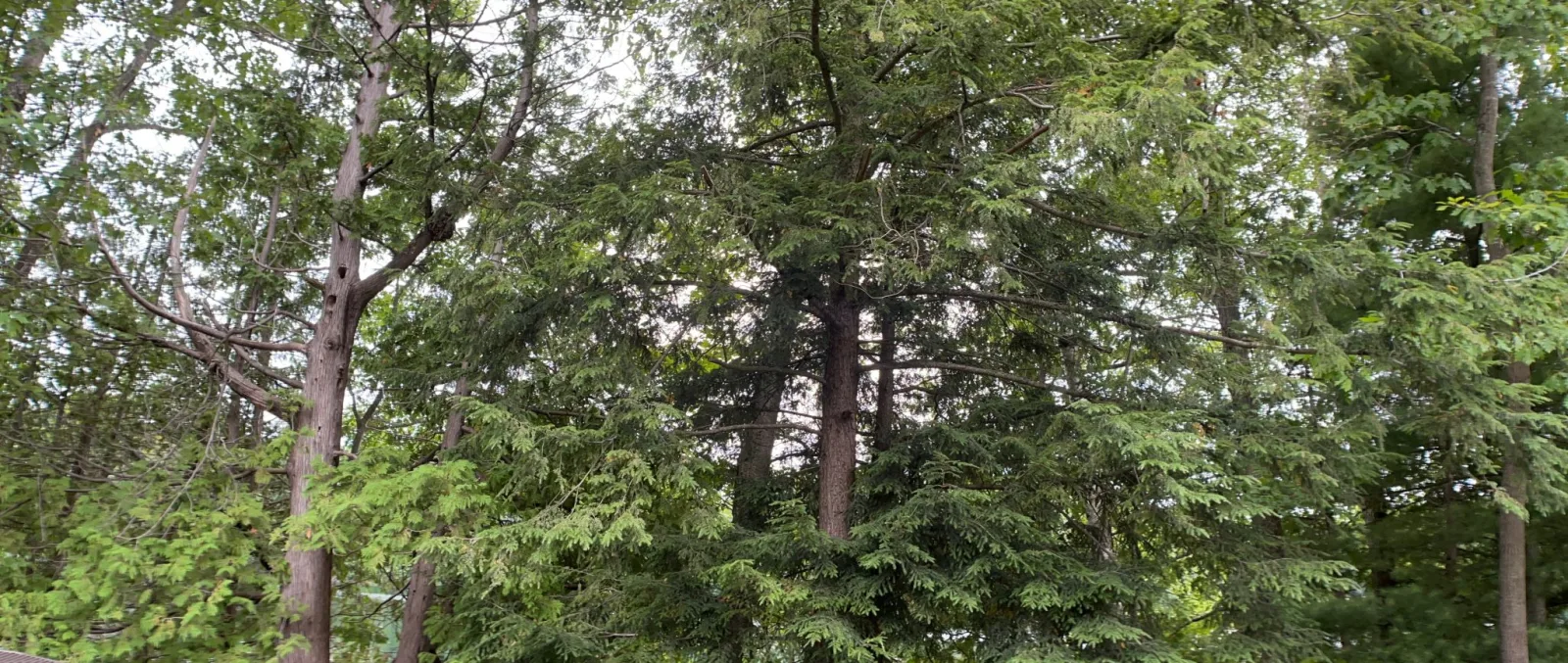
Forests' Increasing Impact on Temperature Regulation
Recent satellite data analysis reveals that forests worldwide have enhanced their capacity to regulate land surface temperatures significantly over the past two decades. A study published in Nature Plants indicates that this improvement in thermal regulation serves as a crucial response to climate change.
Research Findings Over Two Decades
Researchers examined two decades of satellite observations from 2001 to 2020 to understand how forest ecosystems interact with local temperatures. They introduced two key metrics to measure the enhancement in temperature regulation:
- Beta Value: The slope between land surface temperature and air temperature has shown a decline of 0.0014 ± 0.0003 °C per °C annually.
- Delta T: The difference between land surface temperature and air temperature decreased by 0.0268 ± 0.005 °C per year.
Both trends were statistically significant, with P-values under 0.01, reinforcing the idea that forests are becoming increasingly effective at buffering surface temperatures in response to rising air temperatures.
Driving Factors Behind Enhanced Regulation
The research identified two main factors as contributors to improved thermal regulation in forests:
- Increased Tree Coverage: More extensive tree cover has a direct correlation with better temperature regulation.
- Rising Global Temperatures: Ongoing climate warming trends are intertwined with forest capabilities.
Additionally, forest biodiversity plays a critical role. The study found that species-rich forests possess a greater capacity for temperature regulation compared to those with fewer species. This biodiversity effect likely results from a higher transpiration-to-evapotranspiration ratio, enhancing the cooling effect of diverse tree species.
Implications for Conservation and Ecosystem Health
The analysis also highlighted the spatial and temporal variability of thermal regulation capacity, which aligns with optimal temperatures for forest photosynthesis. Importantly, the research connects the concept of thermal regulation to the photosynthetic resistance of trees to thermal stress.
These findings underscore the urgent need for conservation and restoration efforts aimed at maintaining diverse forest ecosystems. By doing so, we can enhance their role in regulating surface energy balances and combating climate change.
"The improvement in forest temperature regulation is a critical factor in our fight against climate change. Protecting these ecosystems should be a priority for policymakers and conservationists alike."