Europe Gears Up for a Potential Energy Crunch This Winter
As winter approaches, Europe braces for soaring energy prices and potential shortages amid geopolitical tensions.
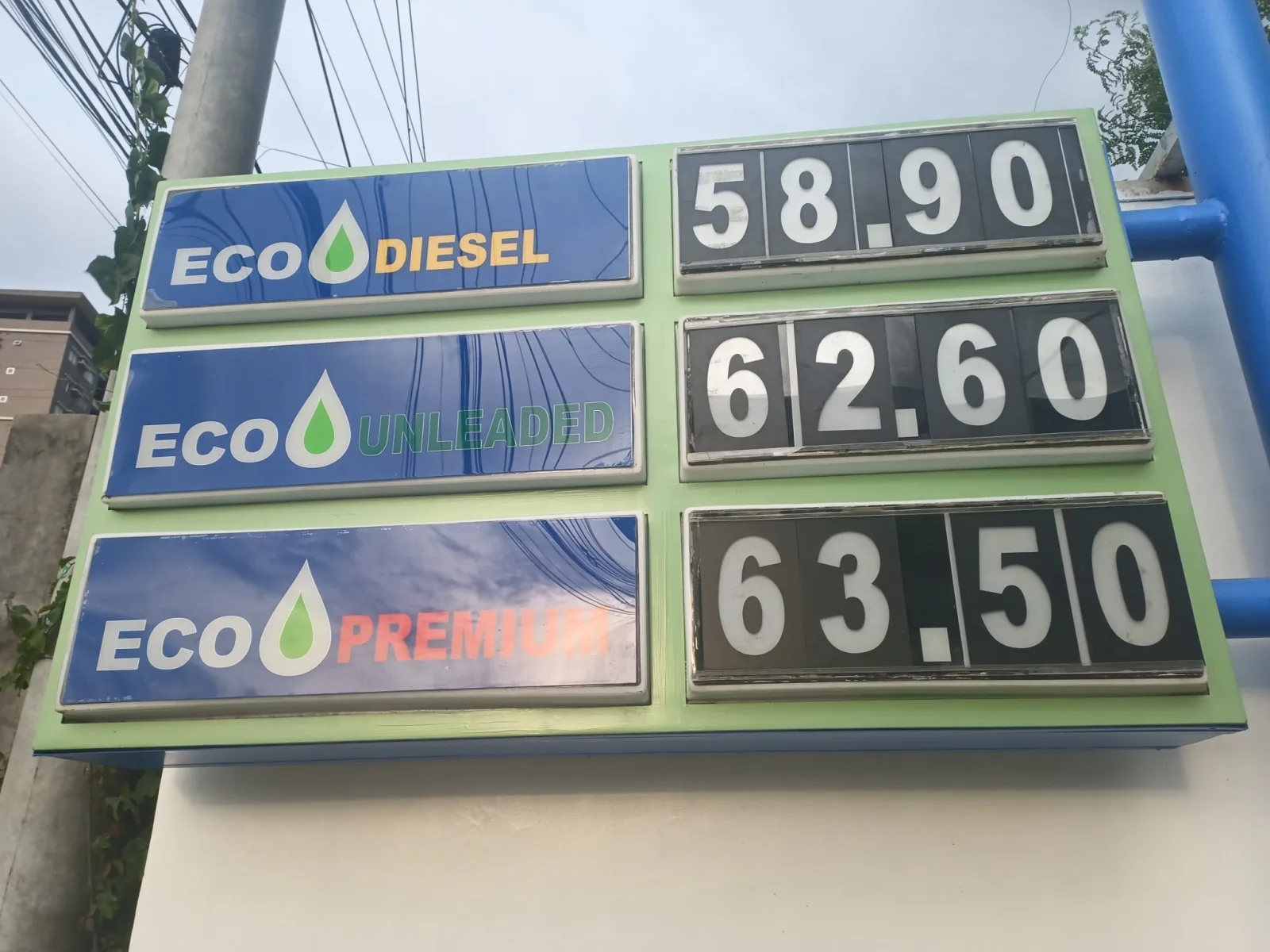
With the cold months approaching, Europe is set to face a significant energy challenge characterized by rising costs and dwindling reserves. A combination of heightened demand and ongoing geopolitical issues threatens to exacerbate an already strained energy landscape.
Escalating Energy Costs
The European Union has encountered substantial additional expenses in its energy bills, estimated at around €100 billion this year alone. This stark financial burden, driven primarily by soaring fuel prices, means that the cumulative costs since 2022 now exceed €900 billion, despite a noticeable decline in overall energy consumption.
The ongoing conflict involving Iran has further complicated matters, leading to a dramatic rise in natural gas prices throughout Europe—more than doubling since the conflict's escalation. As winter sets in, officials predict this season could bring the most severe energy crisis since the outbreak of the war in Ukraine.
Concerns Over Storage Levels
Dan Jorgensen, the EU’s energy commissioner, has voiced concerns over the upcoming months, indicating that both oil and gas prices will remain at extremely high levels. While he has assured citizens that no major supply disruptions are expected, the state of gas storage is worrisome.
As of September, gas storage in Europe was only about 67% full, significantly below the average of 80% for this time of year. In Germany, the country with the highest storage capacity in the EU, levels are reported to be approximately at 50%, raising alarms about the possibility of missing the government’s target of 80%.
Global Tensions Impact Prices
Market conditions are being further strained by ongoing military tensions in the Middle East, particularly threats to oil shipments through critical routes like the Strait of Hormuz. Between late September 2025 and 2026, oil prices surged by about 65%, while diesel and jet fuel saw similar increases of 45% and 112% respectively, prompting the European Commission to encourage consumers to reduce their energy consumption.
As winter approaches, more uncertainties loom. The El Niño weather phenomenon adds an element of unpredictability, potentially heightening gas demand even further in the coming months.
Impact on Industry and Employment
The challenges aren’t limited to households; industries across Europe are also feeling the strain. As fuel prices rise, manufacturing costs escalate, compelling businesses to potentially increase their prices, which could trickle down to consumers.
Furthermore, companies unable to secure adequate fuel supplies may resort to suspending operations during the winter, which could lead to significant job losses. In the UK alone, forecasts suggest that approximately 163,000 jobs may be at risk due to the energy crisis, particularly in manufacturing-heavy areas.
Vulnerability of the UK
The UK's position is particularly precarious, as it heavily relies on imports due to its minimal domestic gas storage capacity. With logistics dependent on pipeline connections and tanker shipments from the U.S. and the Middle East, any disruptions pose severe risks. According to Chris O'Shea, CEO of Centrica, the UK faces a dire situation with “almost no gas in storage” as winter approaches.
As the situation unfolds, both governments and the European Commission may need to consider intervention measures to ensure that essential energy supplies remain accessible to both households and businesses throughout the winter months. Without such measures, Europe could experience a difficult season marked by a potentially volatile energy market.