Understanding Bitcoin ATM Fees for a $100 Purchase
Discover the costs associated with buying Bitcoin through ATMs and explore alternative options.
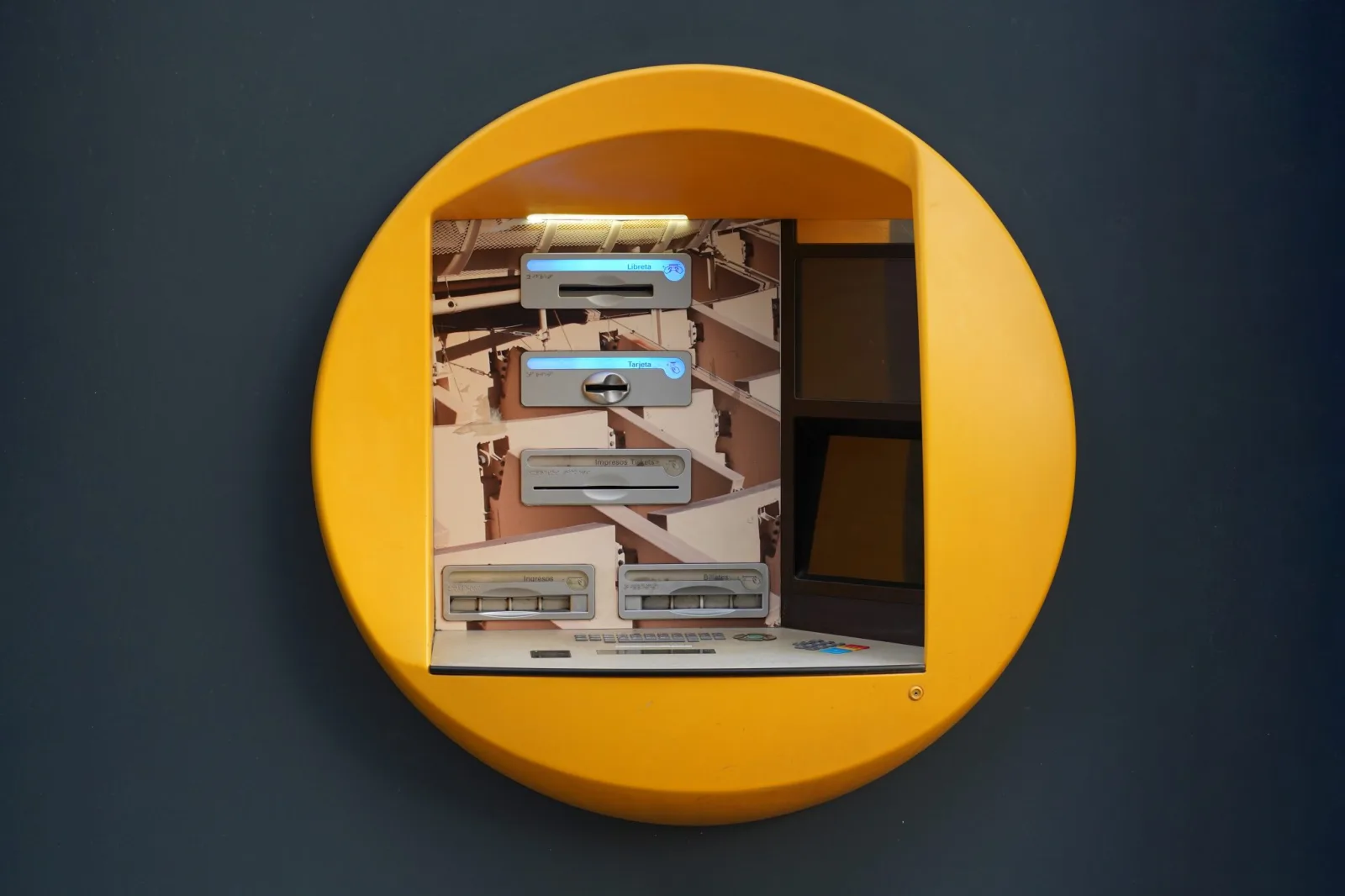
Why Bitcoin ATMs Come with Higher Fees
Bitcoin ATMs, while convenient, often charge more than online platforms because of various operational expenses. These machines facilitate cash transactions, requiring operators to handle cash securely. This includes armored pickups, maintenance of the kiosks, and rental costs for their locations, which contribute to the overall fees incurred by users.
Additionally, users appreciate the speed and ease of access that ATMs provide. The ability to purchase Bitcoin without needing a bank account or brokerage account, and to receive coins quickly, is a significant draw for many. This convenience, however, comes at a premium.
Another hidden cost lies in the exchange rate itself. For instance, CoinFlip's guide highlights how users are often subjected to a 'spread' — a difference between the machine's price and the market rate for Bitcoin. If a kiosk offers a Bitcoin price that is higher than the market, customers unknowingly absorb this additional expense.
Moreover, operators invest in security measures to prevent fraud, as these machines can sometimes be targeted by criminals. The cost of compliance and protective measures is also reflected in the fees users pay.
Cheaper Ways to Buy Bitcoin
For those with a bank account, buying Bitcoin through a brokerage is generally the most economical option. For example, users with Charles Schwab (NYSE:SCHW) pay a minimal 0.75% fee on crypto trades, equating to just 75 cents when purchasing $100 of Bitcoin. Furthermore, many banks are beginning to allow customers to hold cryptocurrency, making transactions even easier.
An alternative worth exploring is a spot Bitcoin Exchange-Traded Fund (ETF). For instance, the Grayscale Bitcoin Mini Trust (NYSEARCA:BTC) sports a remarkably low expense ratio of 0.15%. However, it's important to note that while this fund allows for investment in Bitcoin, it does not enable holders to transfer the Bitcoin to a personal wallet, meaning it is not a direct investment.
Crypto exchange apps offer a middle ground between convenience and value. They allow users to store their coins and make withdrawals to personal wallets. Although using these platforms often requires ID verification and a link to a bank account or credit card, they typically charge less than ATMs for the same Bitcoin amount.
The Cost of Using a Bitcoin ATM for $100
Individuals with bank accounts should be aware that Bitcoin ATMs can be among the most expensive options. For example, CoinFlip's fees can soar to 22%, while Bitcoin Depot may charge a staggering 50% markup on a $100 purchase. If cash is your only payment method, it is wise to check the quoted rate on the machine compared to the live market price before inserting money and verify if your state imposes any fee limits. Illinois, for example, has begun to enact such regulations, which could help reduce costs.
Additionally, be cautious of potential scams associated with Bitcoin ATMs. No legitimate business or government entity will request payment via these machines. In a recent report, the FBI revealed that they received over 13,400 complaints related to cryptocurrency kiosks in 2025, culminating in losses that surpassed $388 million, marking a 58% increase from the previous year. They emphasized that no legitimate authority will demand payment through a Bitcoin ATM.
Conclusion
While Bitcoin ATMs offer convenience for quick transactions, understanding the associated costs is crucial. Exploring alternative methods, such as brokerages or exchange apps, may save you a substantial amount when purchasing Bitcoin, particularly if you’re buying larger amounts.
By being informed and vigilant, users can navigate the world of cryptocurrency purchases more effectively, ensuring they get the best deals possible while utilizing Bitcoin ATMs sparingly.