
Galaxy Research says bitcoin treasury companies have entered a “Darwinian phase” after the mechanics that fueled their rapid expansion broke down. The firm’s analysis argues the digital asset treasury (DAT) trade reached a natural limit once equities began trading below each company’s Bitcoin net asset value (NAV), reversing the issuance-driven growth loop and turning leverage from a boost into a liability.
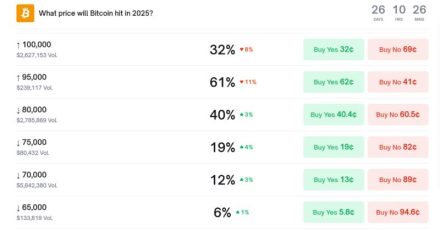
The inflection came as Bitcoin fell from an October peak near $126,000 to about $80,000, a slide that sharply reduced risk appetite and drained liquidity across markets. An October 10 deleveraging episode accelerated the shift by wiping out futures open interest and thinning spot-market depth. For treasury firms whose listed shares effectively provided leveraged crypto exposure, Galaxy says the same financial engineering that magnified upside also amplified downside.
Stocks that traded at large premiums over the summer are now mostly at discounts, even though Bitcoin is down roughly 30% from its highs. Firms such as Metaplanet and Nakamoto—companies that at one point showed hundreds of millions in unrealized gains—are now deep in the red, with average BTC purchase prices above $107,000. One company, NAKA, plunged more than 98% from its peak. Galaxy compared the price action to the extreme wipeouts seen in memecoin markets; its chart showed Metaplanet’s unrealized P&L peaking at about $530 million.
With issuance no longer an easy source of funding or growth, Galaxy sketches three possible paths forward for the sector:
– Base case: prolonged, compressed premiums where BTC-per-share growth stalls and DAT equities present more downside risk than owning Bitcoin directly.
– Consolidation: issuance-heavy companies, firms that bought BTC near the top, or highly indebted operators face solvency pressure and could be acquired, restructured, or fail.
– Recovery: possible only if Bitcoin reaches new all-time highs and for companies that preserved liquidity and avoided over-issuing during the boom.
In related corporate moves, Strategy announced a $1.44 billion cash reserve funded through a stock sale, aimed at reassuring investors about dividend and debt obligations during the downturn. The reserve is intended to cover at least 12 months of dividend payments, with plans to extend the buffer to 24 months. Bitwise CIO Matt Hougan said Strategy would not be forced to sell Bitcoin to stay afloat if its share price falls, calling contrary claims “just flat wrong.”